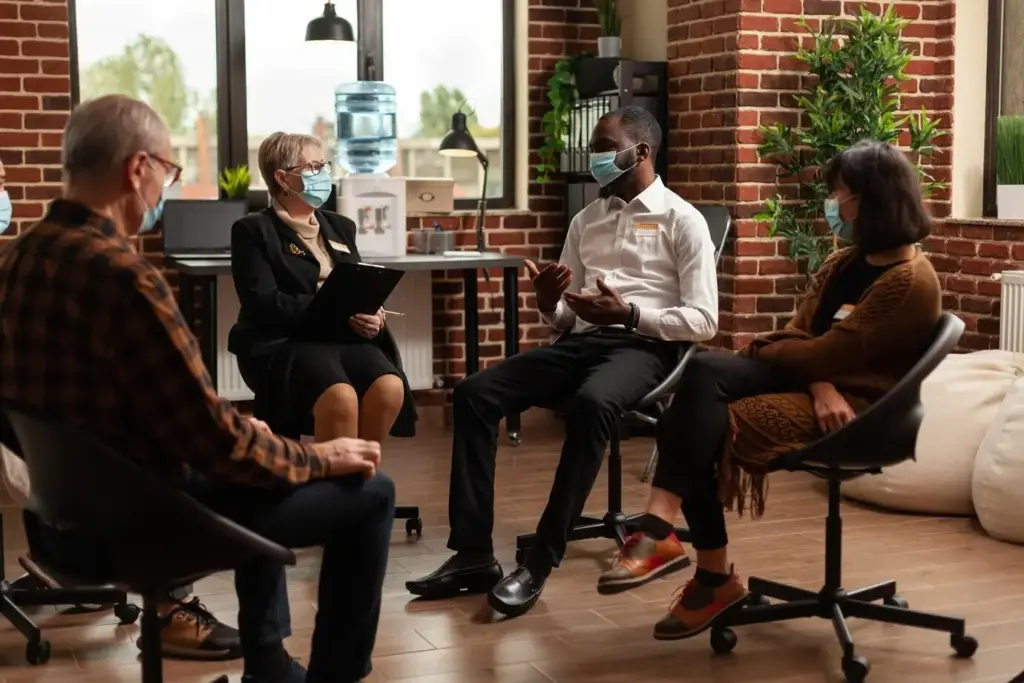
Stronger Together: Real-World Collaboration and Trust for Remote and Hybrid Teams

Today we explore Collaboration and Trust Scenarios for Remote and Hybrid Teams, weaving practical rituals, humane tools, and memorable stories that help dispersed groups work like true partners. Expect actionable patterns for psychological safety, meetings that respect distance, and onboarding that earns confidence quickly. Share your experiences, adopt what fits, and help us build a living playbook that grows with every contribution and courageous experiment.

Psychological Safety Without a Room

When teammates seldom share a physical space, safety must be signaled intentionally and repeatedly. Micro-behaviors—like acknowledging uncertainty, naming constraints, and praising learning—set a tone where risks feel reasonable. From engineers posting failed experiments to managers modeling curiosity, small acts compound into dependable trust. We outline repeatable habits any team can practice this week without new software or extra budget.

Signals of Safety in Video and Text

Digital environments magnify ambiguity, so explicit empathy matters. Use visible agendas, turn-taking prompts, and chat reactions to acknowledge voices, especially quiet ones. In documents, prefer questions over directives, and tag people for perspectives, not approvals. Celebrate thoughtful dissent and summarize disagreements neutrally, so future readers understand intent. Over time, consistent clarity transforms tentative participation into confident collaboration.

The First Five Minutes Ritual

Open meetings with a short, humane check-in that invites context and calibrates energy. Ask what might affect focus, note time zones, and confirm accessibility preferences like captions. Clarify desired outcomes and decision modes before conversation accelerates. This tiny cadence prevents confusion, reduces status anxiety, and establishes that every voice belongs. Done repeatedly, it becomes the heartbeat of distributed trust.

Handling Mistakes in Public Channels

Respond to errors with curiosity, not blame. Post a brief what, so what, now what note that documents learning without shaming. Invite questions and label uncertainty, offering next steps and owners. Public postmortems normalize transparency and reduce whisper networks. Over time, the team interprets visibility as care rather than surveillance, turning fragile reputations into shared resilience and reliable improvement.

Asynchronous Collaboration That Builds Confidence

Async work is more than delayed responses; it is designed clarity that respects attention. When decisions, rationale, and next steps live in lightweight documents, trust no longer relies on memory or hierarchy. We share patterns for context briefs, decision logs, and time zone ladders that reduce meetings without reducing momentum. People feel informed, included, and empowered to move work forward.

Hybrid Meetings That People Trust

In hybrid spaces, co-located voices can dominate while remote participants fade. Build structural fairness: equal airtime protocols, explicit facilitation roles, and technology checks that favor clarity. Record sessions with consent and post concise summaries for asynchronous follow-up. When expectations are transparent and tools are humane, hybrid meetings stop favoring proximity and start rewarding contribution, strengthening trust through reliability and thoughtful design.

Onboarding That Earns Trust From Day One

First impressions set the tone for months. A clear path, friendly faces, and visible support transform uncertainty into excitement. Provide a buddy, social map, and realistic goals for early wins. Use guided tours of tools and norms, not just passwords. Newcomers who feel seen and resourced contribute faster, ask bolder questions, and spread confidence through their early successes and authentic curiosity.

Buddy Systems and Social Maps

Assign two buddies: one for culture, one for craft. Share a social map that explains who to ping for what, including time zones and preferred communication modes. Encourage intentional introductions across teams. New hires learn not just tools but invisible rules, like feedback cadence and decision forums. This scaffolding reduces anxiety and accelerates belonging, which quickly translates into dependable collaboration.

First 30 Days Playbook

Offer a paced plan with learning goals, shadowing, and a scoped project that ends in a demo. Clarify support hours, escalation paths, and expected communication rhythms. Pre-schedule check-ins to surface questions before they become blockers. Visible progress builds momentum, while predictable touchpoints build trust. The result is confident autonomy by day thirty, anchored by relationships rather than constant supervision.

Shadowing and Reverse Shadowing

Invite new hires to observe rituals like planning and retros, then switch roles and let them lead small parts with support. Reflect together on what felt clear or confusing. This gentle exchange reveals tacit knowledge and honors fresh perspectives. By handing over the mic early, teams convey genuine confidence, encouraging initiative without fear of misstep or hidden expectations.

Resolving Conflict Across Distance

Disagreements are inevitable and healthy when handled faithfully. Distributed settings add latency, text ambiguity, and cultural nuance. Design pathways that de-escalate: write first to clarify, then schedule a call if stakes are high. Name shared goals and constraints. Capture agreements publicly. Teams that repair quickly do not fear conflict; they leverage it to strengthen understanding and improve decisions.

Outcome-Based Goals Everyone Understands

Frame goals around user value, not hours spent. Define leading indicators and guardrails, then let teams select tactics. Regularly revisit assumptions and retire vanity metrics. When people see how their work advances meaningful outcomes, they self-correct faster than any supervisory tool could. Shared purpose and transparent measures create trust that supervision alone cannot purchase or sustain.

Transparency Dashboards With Humanity

Pair charts with short weekly narratives explaining what changed, why, and what’s next. Invite comments and questions, and highlight uncertainties openly. This practice prevents misinterpretation and builds a shared understanding of trade-offs. Visibility becomes an invitation to collaborate, not a scoreboard to fear. Over months, mutual respect deepens because people feel informed, considered, and genuinely included.

Rituals of Connection and Serendipity

Virtual Coffees and Randomized Pairings

Automate monthly pairings across functions and time zones, with icebreaker prompts that evolve from light to reflective. Keep meetings under twenty minutes to respect focus. Track participation gently, not punitively. These micro-connections seed empathy and unlock surprising collaborations later. Over time, people ask better questions because they know the humans behind the avatars, not just their job titles.

Celebrations and Recognition That Travel Well

Create a simple kudos channel with clear norms: specific impact, tagged values, and thanks that highlight collaboration. Celebrate small wins in all-hands with brief stories, not just metrics. Rotate storytellers to diversify voices. Recognition becomes a shared practice rather than a managerial lever, signaling that contributions matter regardless of location or seniority. Pride becomes contagious and trust more durable.

Spaces for Healthy Dissent

Invite contrarian reviews before big bets, with psychological safety cues and explicit permission to challenge. Use structured prompts to surface hidden risks and imaginative alternatives. Close with clear decisions and gratitude for rigor. When principled pushback is welcomed, teams avoid groupthink and ship smarter. People learn disagreement can strengthen relationships when handled respectfully and documented transparently for everyone’s benefit.
Dravonelixarputo
Privacy Overview

This website uses cookies so that we can provide you with the best user experience possible. Cookie information is stored in your browser and performs functions such as recognising you when you return to our website and helping our team to understand which sections of the website you find most interesting and useful.